
Protective Deception
Never Let Me GoHailsham’s guardians conceal and soften the students’ future in the name of childhood, creating both meaningful shelter and lasting confusion.
increasing Bearing strength in each event
 decreasing
Bearing strength in each eventdecreasingClues Without Clarity

Clues Without Clarity
Partial lessons
Students hear isolated facts about donations, health, and their inability to have children. These are introduced at moments when the children are too young or uncomfortable to assemble them into a complete picture.
Knowledge absorbed indirectly
Tommy later suggests that the guardians timed their disclosures so students would take in facts without examining them. Kathy finds the idea plausible even if she rejects a deliberate conspiracy.
The Pavilion Break
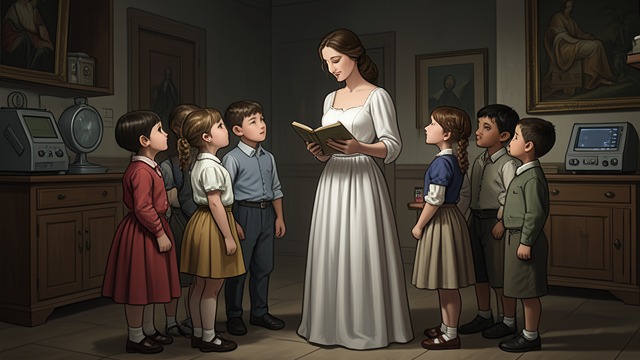
The Pavilion Break
Lucy states the future
Miss Lucy tells the students plainly that donations are the purpose for which they were created. Her intervention rejects the guardians’ customary hints and euphemisms.
No clear response
The students do not turn her speech into a lasting revolt or sustained inquiry. Plain truth changes their understanding but cannot give them control.
A Childhood Defended

A Childhood Defended
The guardians’ rationale
Miss Emily says that full knowledge would have made the students see their education as pointless. Hailsham sheltered them so they could become absorbed in lessons and creative work.
A benefit with a cost
The protection gave students real childhoods while also keeping them from confronting their future in time. The argument asks whether comfort can justify deception when the underlying fate cannot change.
The Cost of Silence
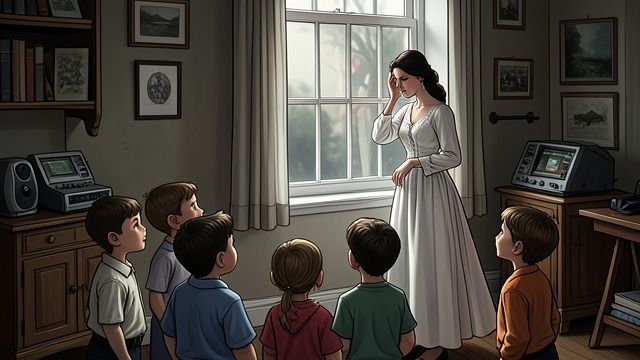
The Cost of Silence
An internal conflict
The guardians’ choice to remove Miss Lucy shows how strongly they defend their method of partial disclosure. Her departure is an institutional response to a disagreement over what students deserve to know.
A future still hidden
The students continue toward The Cottages without fully understanding the argument that shaped their schooling. Their childhood is preserved, but their agency remains limited.
Understanding Too Late
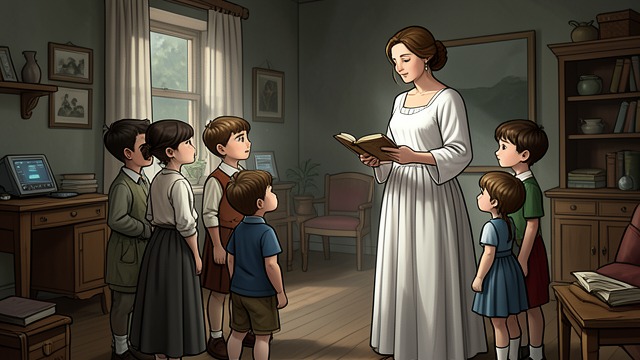
Understanding Too Late
The pieces assembled
Kathy and Tommy learn why Hailsham collected art, why it sheltered students, and why its reforms were limited. Their childhood memories acquire an institutional explanation.
No changed outcome
Understanding arrives after it can affect their decisions or future. The story distinguishes explanation from freedom: knowing the system does not release them from it.
From early childhood at Hailsham
At fifteen
During Miss Emily’s explanation near the ending
After Miss Lucy leaves Hailsham
After the final visit to Madame and Miss Emily
